

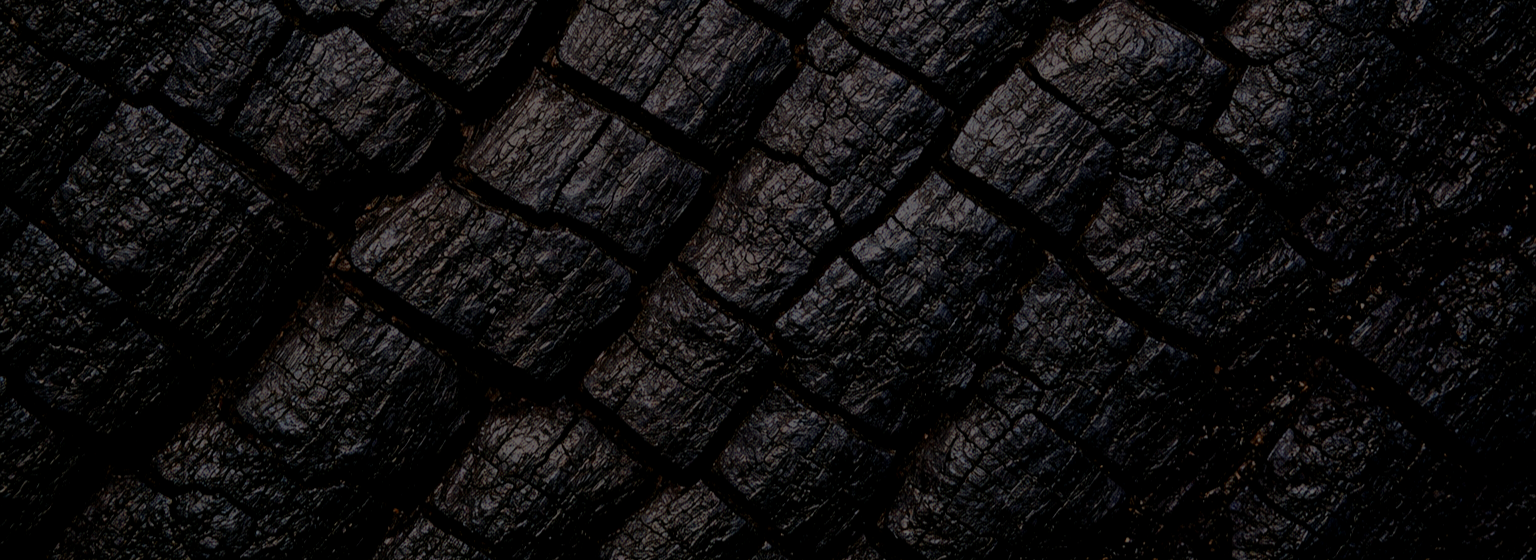
A tradition rooted in craft
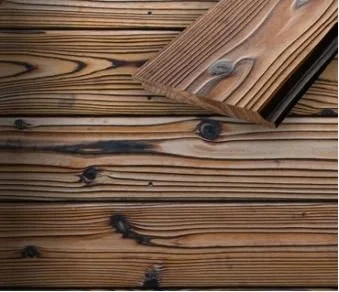
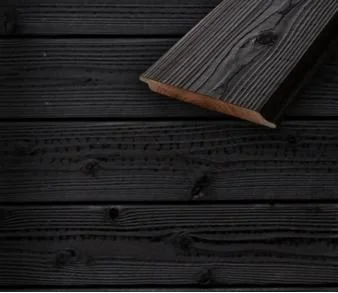
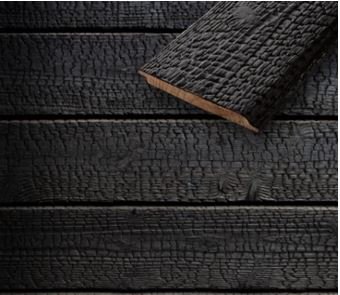
The charring of wood has been used for centuries as a simple, effective way of protecting timber from the elements. One of the best-known examples is the Japanese practice of Shou Sugi Ban, where timber is charred to improve its resistance to moisture, insects, and decay. Originally developed as a practical solution, the process also revealed a unique surface quality that gave the material its distinctive appearance.
Charring works by transforming the outer layer of the timber. When exposed to fire, the surface structure is altered, forming a natural barrier that slows weathering and helps protect the wood from biological damage. This treatment extends the life of the timber without relying on chemical preservatives.
In recent years, charred timber has been rediscovered by architects and designers seeking materials that combine performance with character. Its durability and low-maintenance qualities suit modern construction, while the depth, texture, and tonal variation of the charred surface add visual richness to both contemporary and traditional buildings. Over time, the material weathers gently, becoming part of the building’s story rather than something that needs constant correction.
Beyond its practical benefits, charred wood speaks to a renewed appreciation for traditional processes and honest materials. Using fire as a treatment respects the natural qualities of the timber, resulting in a finish that feels tactile, authentic, and rooted in craft.
From its early use as a protective measure to its place in modern architecture, charred wood continues to offer a considered balance of durability, longevity, and visual depth — qualities that remain as relevant today as they were generations ago..